
08- Understanding the projects philosophy
- 22 nov. 2023
- 2 min de lecture
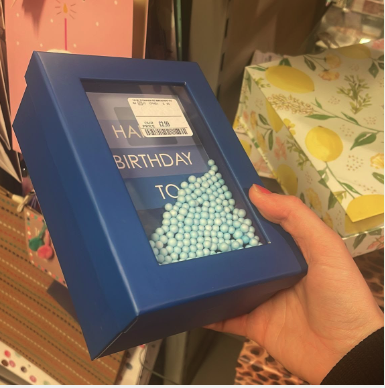
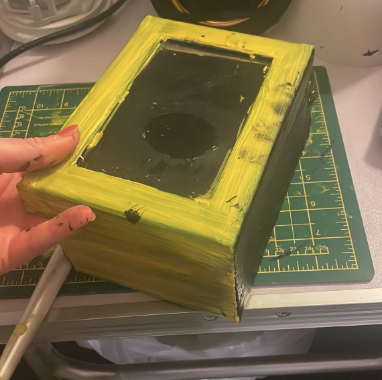
During our project's developmental phase, Harry focused on the intricate task of constructing the code and mechanics of the box, while I grappled with challenges stemming from project criticisms. To address these concerns, I took the initiative to procure and paint a gift box from a local hobby store. Subsequently, we successfully integrated our compass and motor within the box, marking the initiation of the testing phase.


Folloiwng our presentations. constructive feedback was provided by our lecturers:
Naming Conundrum: The project's moniker, "Getlost," faced scrutiny as it inaccurately conveyed the essence of our creation. Contrary to the name's implication, users weren't getting lost; the compass ensured a guided experience. This revelation prompted us to reconsider the name, aiming for a more accurate representation of our project's purpose.
Emphasis on Deliverables: A critique emerged regarding our presentation's overemphasis on completed deliverables, predominantly in digital and print formats. In our pursuit of showcasing tangible outcomes, the poetic depth of the project had been somewhat overlooked. Recognizing this imbalance, we endeavored to strike a harmonious blend, ensuring both tangible results and conceptual richness were adequately highlighted.
Box Shape Consideration: The form of the box became a focal point of discussion. Suggestions were made to reconsider its shape, favoring circular or hexagonal designs for enhanced portability and visual appeal.
Additionally, feedback from John introduced the perspective that our project might lack the innovation observed in projects like YouAreNotHere or [murmur], which served as our inspiration. While we contested this viewpoint, asserting that our project delves deeply into embodying the rapid changes in urban landscapes over time, we acknowledged the need to convey this emphasis more explicitly in our presentations.
Moreover, we underscored the distinctive layering within our project, offering users a dual experience. On one level, it functions as a wayfinding project, urging users to explore London through the lens of its inhabitants, with navigation guided by people, for people. The efficacy lies in its intentional ambiguity, directing users toward stickers that light up as they approach, utilizing a heatmap system.
What adds a captivating dimension to our project is the duality of interpretation aligned with our respective passions. My enthusiasm for wayfinding and design sees the project as a tool for exploration, while Harry, driven by a passion for design alongside local history and culture, views it as a deeply enriching experience intertwining communities and tracing history within London.
The intricacies of these layered perspectives may have posed challenges in clear communication, requiring more time for thorough explanation. Nonetheless, we firmly believe that this layered depth enriches the project, aligning seamlessly with our distinct passions and adding a unique quality that elevates the overall experience.


Commentaires