
7- Research methods and storytelling for the London Breadcrumb Project
- 22 nov. 2023
- 3 min de lecture
Embarking on a journey to weave the stories of London's tapestry, the London Breadcrumb Project is a testament to the power of user-centric design. Anchored in directed storytelling sessions, our user testing took a unique approach, engaging individuals aged 20-29, newly immersed in the vibrant fabric of London. These sessions unveiled a rich tapestry of insights, painting a nuanced picture of their needs, feelings, and impressions during their initial weeks in the city.
Effective Reuse of Research Methods: A Fruitful Endeavor
In the evolution of the project, the wisdom of the past plays a crucial role. The effective reuse of research methods from prior projects emerged as a beacon, guiding the project toward a more genuine understanding of user needs. This approach, in stark contrast to traditional user testing practices, emphasized honesty and effectiveness. It validated the notion that a user-centric methodology is a more authentic way to extract users' needs, feelings, and impressions.
Directed Storytelling: Navigating New Perspectives
The narrative of the London Breadcrumb Project takes a deliberate turn toward a focused user group. While briefly considering children, safeguarding concerns led us to refocus on recent arrivals in the city. This cohort, brimming with enthusiasm, became the ideal canvas for our directed storytelling sessions. Through five sessions, participants delved into their first week in London, shedding light on how they sought recommendations and local advice.
A revelation surfaced as participants shared their methods for gathering recommendations. Contrary to assumptions, maps software took a back seat. Word of mouth and social media emerged as prominent channels, guiding users away from crowded and touristy locations.
Insights gleaned from our directed storytelling sessions included:
Affirmation of a genuine desire to acquire knowledge about the area among incoming residents, emphasizing the importance of exploring on foot.
Recognition that countering existing tools should extend beyond GPS map applications, encompassing social media and travel bloggers.
Understanding the need to avoid targeting extremely new residents, recognizing a settling-in period before venturing off the beaten track.


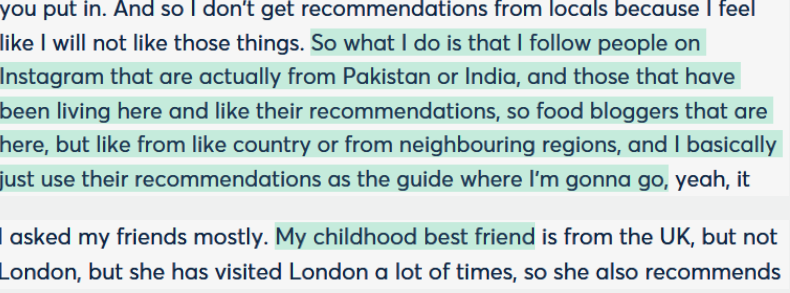
Interviews with passages around recommendation sources highlighted
Artefact Analysis and Gathering Content: Crafting the Compass's Essence A pivotal week unfolded, pivoting around an artefact analysis of a second-hand compass and the challenge of gathering content for the stories guiding users. The analysis unearthed valuable insights into the importance of ergonomics and the delicate balance between analog and digital functionalities. As we zero in on the compass as our physical outcome, preserving the pleasingly analog sensation of a compass became a focal point. Recognizing the device's promotion as "function over form," we embarked on disrupting this narrative consciously. The ergonomics, deemed crucial, propelled us to ensure the compass's design allows for easy handling in one hand.


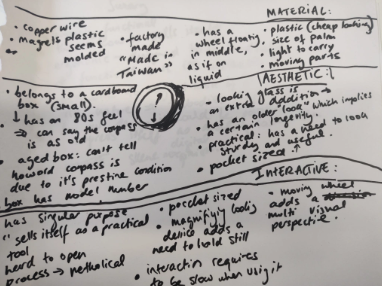

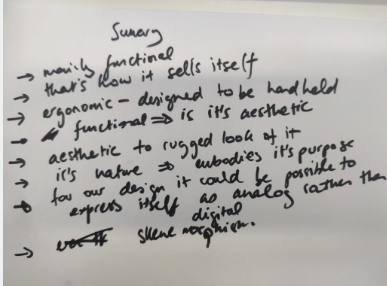


Outcomes of our artefact analysis
Oral histories and the importance of storytelling
The quest for gathering content emerged as a real challenge, requiring real stories from real people. Delving into the theory of oral history, guided by Alessandro Portelli's emphasis on preserving the subjective 'truth,' the project aimed to capture the essence of London's narratives. Our project reached a pivotal juncture during our visit to the Tower Hamlets Local History Library. Here, the exhibition "Everything is Different, Nothing has Changed" showcasing captivating narratives from archival oral histories of the area. This experience, coupled with the resonance of archival sounds, underscored the importance of wayfinding through the authentic lens of locals. Engaging with the library staff at the exhibit provided invaluable insights. They stressed the pivotal role of oral history in local archives and expressed genuine enthusiasm to collaborate with us as we concluded our research. Importantly, their insight into the eagerness of local residents to actively participate further emphasized the significance of grounding our project in the lived experiences of the community amid rapid transformations.

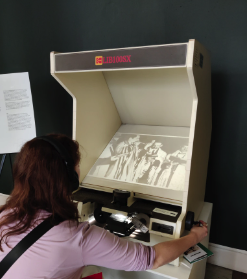

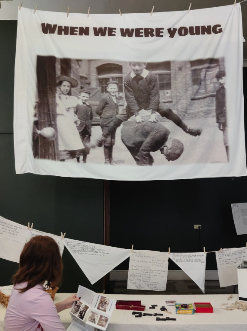
Photos of the exhibition "Everything is Different, Nothing has Changed


Commentaires