
Micro UX: Intertwingle week 1
- 20 mai 2023
- 3 min de lecture
Brief: Design, make and implement a collaborative working tool. Your task is to design a device, apparatus or set of interactions that reaches across disciplines. Your designed outcome should help people identify synergies and navigate practical issues.
Group members: Marty Chen, Jolin Ma, Mengdie Lu, Romit Khurd, Cristèle Sarić, Lingjia Fang, Munira Kazi, Anushka Motiani, Reagan Bbengo, Sushil Suresh
At the beginning of our journey, we were initially daunted by the topic and unsure of where to start our research. This feeling was shared among the team, compelling us to delve deeper into the project brief in order to enhance our understanding. We recognized the crucial need for a collaborative tool that could effectively resolve communication challenges in strongly siloed working practices. Our approach involved reframing existing interactions and modifying the complex systems of interaction and communication within the work environment. In this design blog, we will share our exploration process, from initial research to experimental approaches, in our quest to uncover innovative solutions.

Initial Research: To lay a solid foundation for our project, we engaged in basic desktop research, focusing on organizations and structures that epitomized siloed work environments. Splitting into focused research groups, we examined various infrastructures such as housing, councils, transport, local structures, and education. This comprehensive analysis provided valuable insights into the complexities of communication within these contexts.
Exploring Renowned Organizations: As our research progressed, we delved deeper into renowned organizations that had successfully tackled issues related to siloed working conditions. The NHS, TFL, corporate offices, and the renting crisis in the UK emerged as notable examples. By deconstructing the stakeholders and hierarchical structures of each organization, we gained valuable insights that informed our design approach.


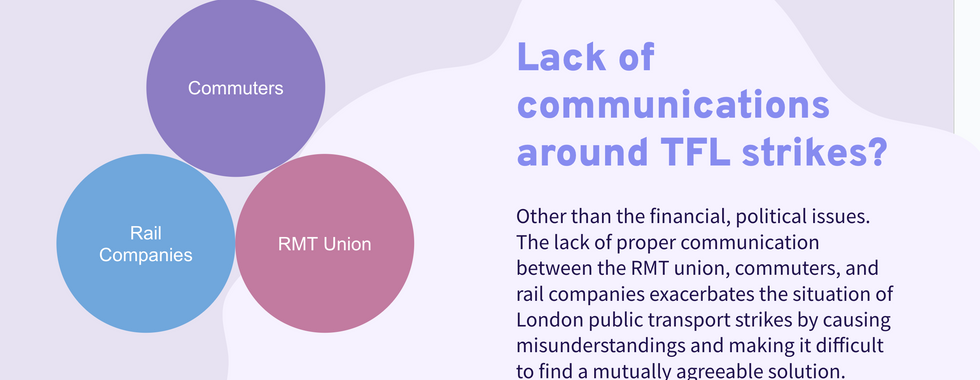
Reflecting on Desktop Research: Although our desktop research provided intriguing insights into the current socio-political challenges faced by England, such as transportation strikes and healthcare concerns, we found that the subjects were too broad and overwhelming. We took this feedback into account and decided to reassess our approach. Returning to the essence of communication itself, we explored experimental techniques to directly engage with the concept. One such approach was body storming, where we employed non-verbal communication to guide one team member, Anushka, with her eyes closed using taps on the shoulder to indicate directions. This exercise offered a broader perspective on workplace communication, enabling us to contemplate links to our own experiences and the intricacies of office culture.

Mindmapping and Personal Reflection: Building upon our experimental exploration, we engaged in mindmapping exercises to connect our personal experiences with workplace communication. This introspective approach allowed us to unravel the complexities and nuances of communication within office spaces. By drawing upon our own insights and observations, we gained a deeper understanding of the unique challenges faced in siloed office cultures.

Conclusion: What initially seemed like an intimidating project led us on a journey of self-discovery and innovative problem-solving. By reframing interactions, conducting thorough research, and engaging in experimental approaches, we gained valuable insights into the complex nature of communication within siloed office cultures. Armed with this knowledge, we are now equipped to develop a collaborative tool that will bridge gaps, enhance interactions, and foster a culture of effective communication. As designers, we embrace the challenges presented by such projects and look forward to the positive impact our solution will have on transforming siloed office cultures into thriving and connected environments. Stay tuned as we share the next steps in our design process, leading us closer to our ultimate goal of enhancing workplace collaboration.


Commentaires